Commercial Painting: What to Expect During a Business Repaint
Repainting a commercial space is different from a residential job — scheduling, scope, and disruption all need to be managed carefully. Here is what the process looks like.
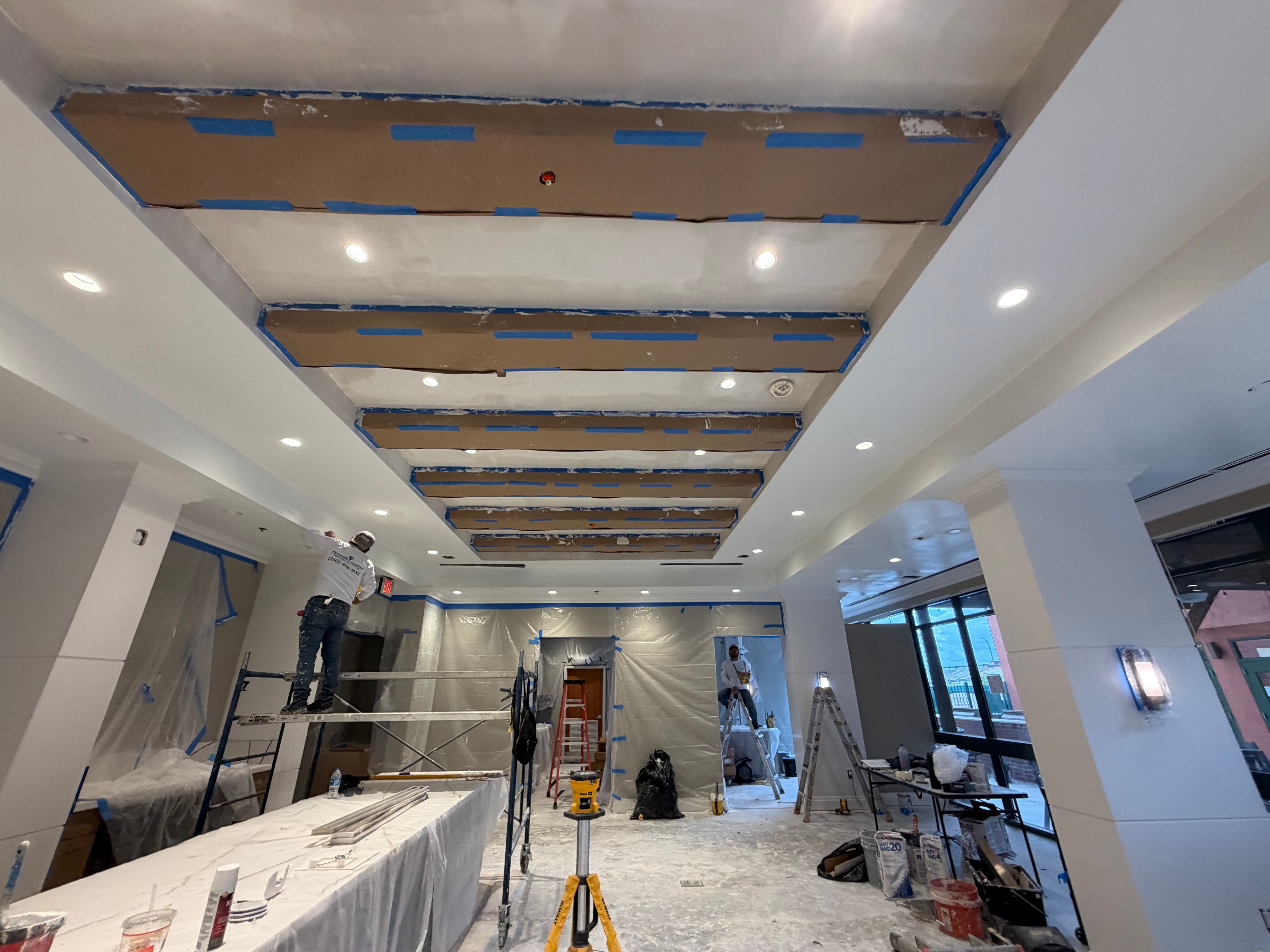
Repainting a commercial space — whether it is an office, retail store, restaurant, or multi-unit property — is a different undertaking than a residential paint job. The stakes are higher, the logistics are more complex, and the impact on your business operations needs to be carefully managed.
Here is what to expect when you hire a commercial painting contractor, and how to make the process as smooth as possible.
The Scope Assessment
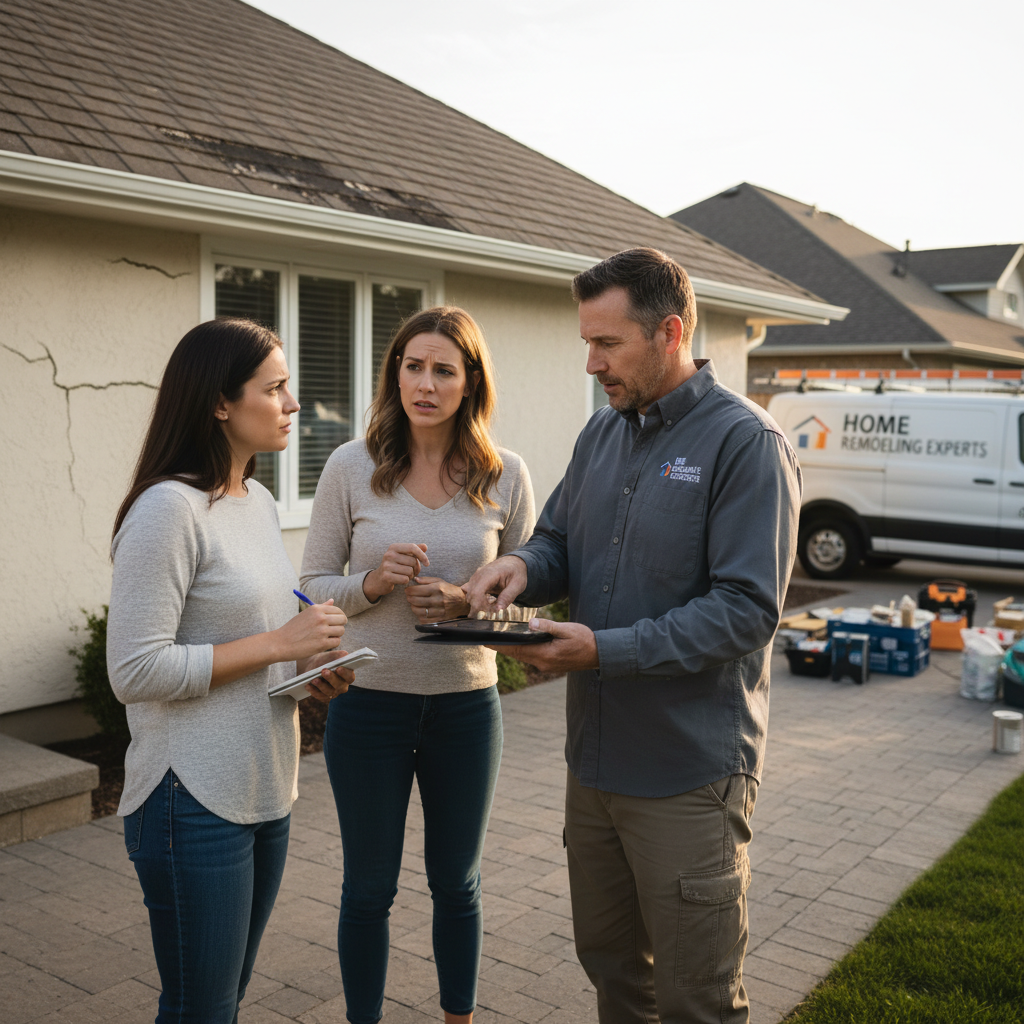
Commercial painting projects start with a thorough scope assessment. A good commercial painting contractor will walk the entire property with you to understand:
- All surfaces to be painted (interior walls, ceilings, trim, exterior, parking structures, etc.)
- Current condition of surfaces (any repairs needed, existing paint condition)
- Special requirements (high-traffic areas, food service environments, specific paint specifications)
- Scheduling constraints (business hours, tenant occupancy, seasonal considerations)
- Access requirements (lifts, scaffolding, after-hours access)
Do not rush this step. A thorough scope assessment is what allows a contractor to give you an accurate, complete quote — and to plan the job so it does not disrupt your operations more than necessary.
Scheduling Around Your Business
One of the biggest concerns for commercial clients is minimizing disruption. There are several approaches depending on your situation:
After-hours work: Many commercial painting projects are done evenings and weekends to avoid disrupting business operations. This is common for retail stores, restaurants, and offices. It adds some cost (overtime rates) but keeps your business running normally.
Phased work: For large spaces, work can be done in phases — one section at a time — so the rest of the space remains operational. This is common for large office buildings, hotels, and multi-tenant properties.
Scheduled downtime: If your business has a natural slow period (a restaurant closed for a week, an office between tenants), scheduling the full project during that window is the most efficient approach.
Occupied vs. unoccupied: Painting an occupied space requires more care — masking, ventilation, and low-VOC paint selection all become more important. Unoccupied spaces allow for faster, more efficient work.
What the Work Involves
Surface Preparation
Commercial surfaces often have years of accumulated grime, grease (in food service environments), and multiple layers of paint. Proper prep includes:
- Pressure washing exterior surfaces
- Degreasing kitchen and food service areas
- Patching and repairing damaged drywall or plaster
- Caulking gaps and cracks
- Priming bare or repaired surfaces
Paint Selection
Commercial environments have specific requirements that residential paint does not always meet:
High-traffic areas (hallways, lobbies, stairwells) need durable, washable finishes — typically satin or semi-gloss with scrubbable formulations.
Food service environments require paints that meet health code requirements and can withstand frequent cleaning with commercial cleaners.
Healthcare facilities may require antimicrobial paint formulations.
Exterior commercial surfaces need products rated for commercial use — higher build, better UV resistance, and longer recoat cycles than residential exterior paint.
At Riverside Painters, we use Sherwin-Williams and Benjamin Moore commercial product lines, which are specifically formulated for these demanding environments.
Application
Commercial painting typically involves a combination of spray application (for large, open surfaces) and brush/roller work (for detail areas, trim, and areas where overspray is a concern). Spray application is faster and produces a more uniform finish on large surfaces, but requires careful masking to protect adjacent surfaces.
What to Look for in a Commercial Painting Contractor
Experience with commercial work: Residential and commercial painting are different disciplines. Ask specifically about commercial projects similar to yours.
Proper insurance: Commercial projects require higher liability coverage than residential work. Verify that the contractor carries adequate general liability and workers' compensation insurance.
References from commercial clients: Ask for references from businesses, not just homeowners.
Detailed written proposal: A commercial painting proposal should specify surfaces, products, number of coats, prep work, scheduling, and payment terms in detail.
Ability to work around your schedule: A contractor who can only work standard business hours is not a good fit for most commercial clients.
Typical Timeline
Commercial painting timelines vary widely based on scope, but as a rough guide:
- Small office or retail space (under 2,000 sq ft): 2–5 days
- Medium commercial space (2,000–10,000 sq ft): 1–3 weeks
- Large commercial property: 3–8 weeks or more
These timelines assume normal working hours. After-hours or phased work will extend the calendar timeline, though the total labor hours remain similar.
Key Takeaways
- Commercial painting requires more planning than residential — scope assessment and scheduling are critical
- Work can be scheduled after hours, in phases, or during planned downtime to minimize disruption
- Commercial environments have specific paint requirements (durability, washability, health codes)
- Verify insurance, ask for commercial references, and insist on a detailed written proposal
- A good commercial painting contractor manages the project so your business keeps running
Explore Topics
Written by
Riverside Painters Team
Content creator and writer sharing insights and stories.