How to Get an Accurate Painting Estimate (and Avoid Surprises)
A low estimate that doubles in price is worse than a higher estimate upfront. Here is how to get accurate quotes, what to ask contractors, and what red flags to watch for.
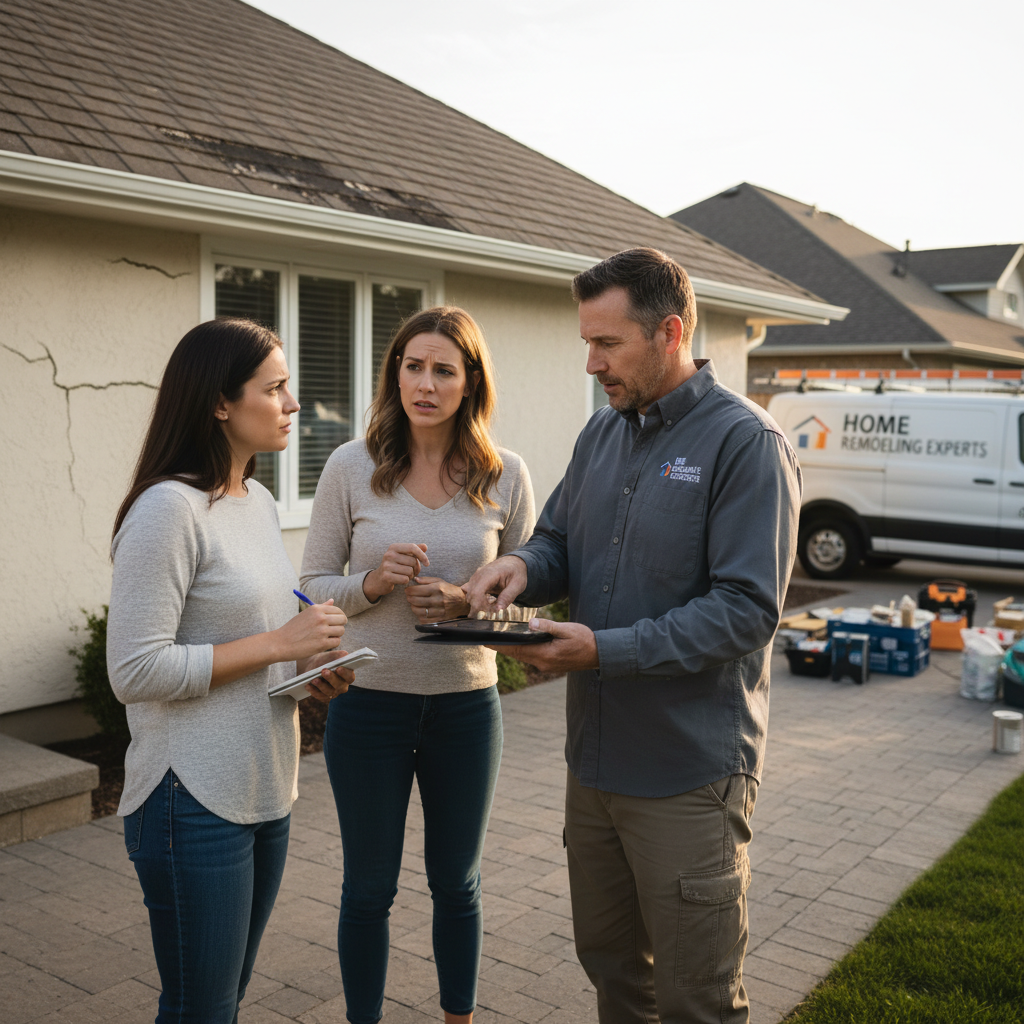
Getting a painting estimate should be simple. But homeowners in San Antonio regularly tell us about experiences where a low initial quote ballooned into something much higher — or where the finished job looked nothing like what was promised.
Here is how to get estimates that are accurate, comparable, and actually useful for making a decision.
Get At Least Three Estimates
This is standard advice for any home improvement project, and it applies to painting too. Three estimates give you a realistic sense of the market rate and help you identify outliers — both suspiciously low and unusually high.
Do not automatically choose the lowest bid. A low estimate can mean the contractor is cutting corners on prep, using inferior paint, or planning to add charges later. It can also mean they are hungry for work and will do a great job. Context matters.
Make Sure Estimates Are Apples-to-Apples
This is where most homeowners go wrong. Two estimates for the same job can look very different on paper because they include different things. Before comparing prices, make sure each estimate specifies:
What surfaces are being painted: Walls only? Walls and ceilings? Trim and doors? Be explicit about every surface you want painted.
Number of coats: One coat of paint is not the same as two. A proper paint job almost always requires two finish coats for full coverage and durability.
Paint brand and product: There is a significant quality difference between a budget paint and a premium product like Sherwin-Williams Duration or Benjamin Moore Aura. Ask what paint will be used and look it up.
Prep work included: Does the estimate include filling nail holes? Caulking? Sanding? Priming? These are not optional extras — they are essential to a quality result. An estimate that excludes prep is not a complete estimate.
Cleanup: Will the crew clean up daily? Will they remove all masking and drop cloths when done?
Questions to Ask Every Contractor
When you meet with a painting contractor, ask:
Are you licensed and insured? In Texas, painting contractors are not required to hold a state license, but they should carry general liability insurance and workers' compensation. Ask for proof. If a worker is injured on your property and the contractor is uninsured, you could be liable.
Who will actually do the work? Some contractors bid the job and then subcontract it to whoever is available. Ask if the crew doing the work is employed directly by the company.
What paint will you use? A contractor who cannot tell you the specific product they plan to use is a red flag.
How do you handle prep? Listen for specifics: filling holes, caulking gaps, sanding glossy surfaces, priming bare wood. Vague answers about "standard prep" are a yellow flag.
What is your warranty? Reputable contractors stand behind their work. Ask what they cover and for how long.
Can I see references or recent work? Ask for references from jobs similar to yours — interior repaint, exterior, cabinet painting, etc.
Red Flags to Watch For
Estimates given without seeing the job: A contractor who quotes a price over the phone without visiting your home cannot give you an accurate estimate. They are either guessing or planning to adjust the price later.
Requests for large upfront deposits: A deposit of 10–30% is reasonable. Requests for 50% or more upfront are a red flag.
No written contract: Every painting job should have a written contract specifying the scope of work, materials, timeline, and payment terms. Never proceed on a verbal agreement alone.
Pressure to decide immediately: Legitimate contractors do not pressure you to sign on the spot. Take time to compare estimates and ask follow-up questions.
Unusually low prices: If one estimate is significantly lower than the others, ask why. Sometimes there is a legitimate reason. Often, something is being left out.
What a Good Estimate Looks Like
A thorough painting estimate should be in writing and include:
- Specific surfaces to be painted (room by room, or area by area)
- Paint brand, product line, and sheen for each surface
- Number of coats
- Prep work included
- Timeline (start date, estimated completion)
- Total price with no hidden fees
- Payment terms
- Warranty information
At Riverside Painters, every estimate we provide is detailed, written, and free. We walk through the job with you, answer every question, and give you a price that will not change unless the scope of work changes.
Key Takeaways
- Get at least three estimates and make sure they are comparable
- Verify that prep work, paint quality, and number of coats are specified
- Ask about licensing, insurance, and who will actually do the work
- Watch for red flags: no site visit, large upfront deposits, no written contract
- The lowest price is not always the best value
Explore Topics
Written by
Riverside Painters Team
Content creator and writer sharing insights and stories.